What First-Time Patients Should Know About Dental Implants in Bakersfield CA
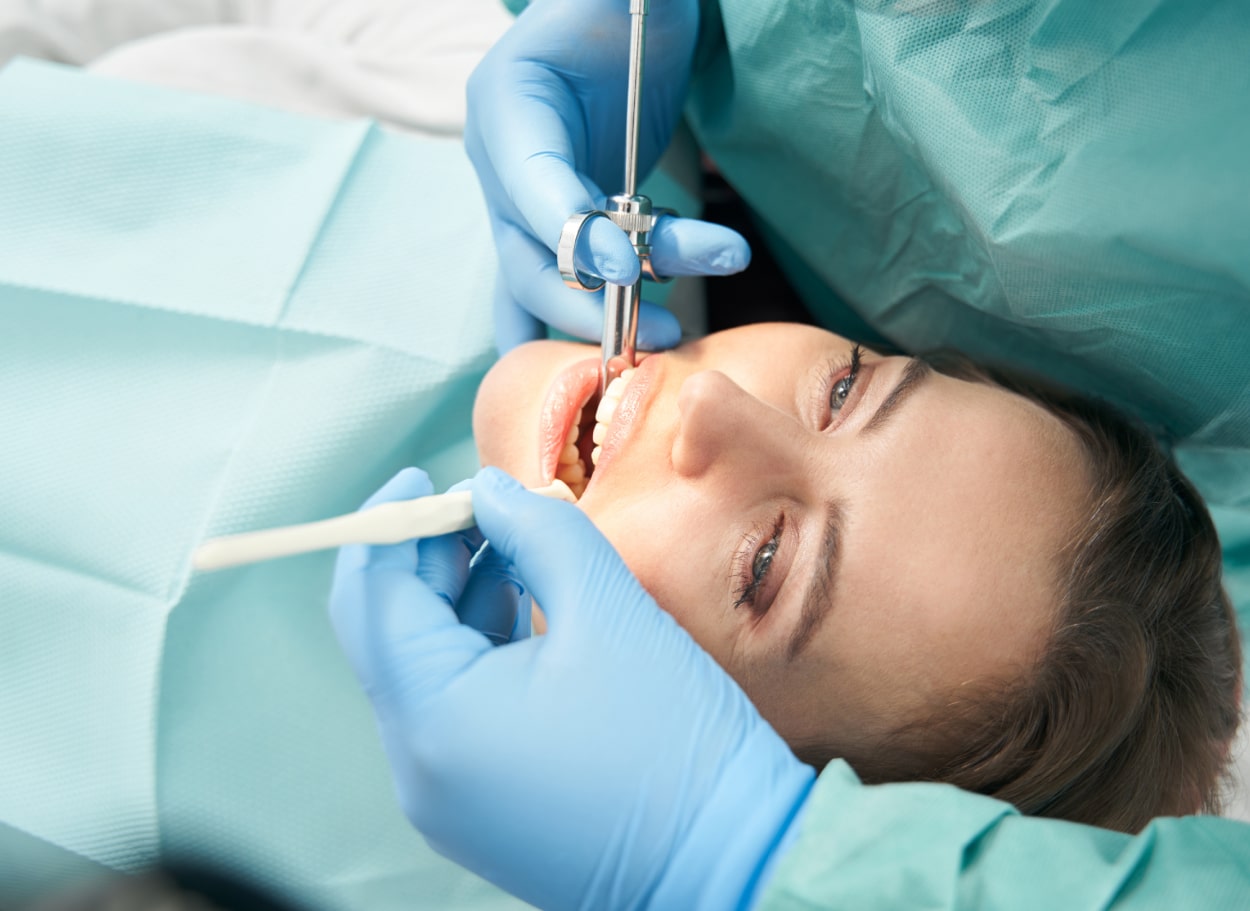
Losing a tooth changes more than a smile. It affects the way you chew, the way you speak, and often the way you carry yourself in a room. Many first-time patients arrive at a dental implant consultation thinking they are only replacing something visible. After a good conversation, they usually realize the real issue is function. They want to eat comfortably, avoid a removable appliance if possible, and stop worrying that a missing tooth will draw attention.
For people exploring Dental Implants Bakersfield CA, the first challenge is often sorting marketing from reality. Implants can be an excellent long-term solution, but they are not a one-size-fits-all treatment and they do require planning. A clear understanding of the process makes the experience much less intimidating.
What a dental implant actually is
A dental implant is a small post, most often made of titanium or a titanium alloy, that is placed in the jawbone where the tooth root used to be. Over time, the bone heals around that post and secures it. Once healing is far enough along, the implant supports a connector piece and then a crown, bridge, or denture.
That may sound straightforward, but the details matter. An implant has to be placed in the right position, at the right depth, and at the right angle. It also needs enough healthy bone around it. The visible crown must match your bite, blend with your other teeth, and allow you to clean it properly. Done well, an implant can feel remarkably close to a natural tooth. Done poorly, even an implant that technically survives can become a maintenance problem.
Patients are often surprised to learn that the implant itself is only one part of the treatment. The planning, imaging, gum health, bite evaluation, and final restoration all influence the result.
Why so many adults consider implants
The appeal is easy to understand. Traditional bridges require reshaping neighboring teeth. Removable partial dentures can move, trap food, or feel bulky. A single implant often avoids both of those issues.
There is also a bone preservation benefit. When a tooth is lost, the bone in that area no longer receives the same stimulation from chewing and can begin to shrink over time. An implant does not stop all bone changes forever, but it can help preserve the area better than leaving the space empty.
That said, convenience should not be confused with simplicity. A patient missing one front tooth after an accident has a different set of concerns than someone who has worn a lower denture for ten years. Front tooth implants demand careful cosmetic planning. Back tooth implants must handle heavier bite forces. Full-arch cases can involve surgery, temporary teeth, and a more extended adjustment period. The broad term "dental implants" covers a wide range of situations.
The first appointment is mostly about evaluation, not surgery
A lot of first-time patients imagine the consultation as a quick look followed by scheduling surgery. In a careful practice, that is not how it works. The first visit is usually investigative. The dentist or specialist reviews your medical history, examines your gums, checks the condition of nearby teeth, evaluates your bite, https://alexishjoa916.fotosdefrases.com/can-dental-implants-in-bakersfield-ca-prevent-bone-loss and studies imaging, often including a 3D scan.
That scan can reveal issues a regular dental X-ray may not show clearly enough. Nerve position, sinus anatomy, hidden infection, bone width, and the angle of adjacent roots all affect the plan. In the upper back jaw, for example, the sinus may limit available bone height. In the lower jaw, the nerve canal is a major consideration. These are not rare edge cases. They are routine reasons good planning matters.
This is also when patients should expect an honest conversation about whether they are ready now, ready after preliminary treatment, or better served by another option. Sometimes the first step is treating gum disease. Sometimes it is removing a failing tooth and preserving the site with bone graft material. Sometimes the right answer is a bridge or partial denture because of budget, health limitations, or anatomy. A trustworthy implant discussion includes those possibilities.
Not everyone is an immediate candidate, and that is normal
Being told you need prep work before an implant is not bad news. It is often a sign that the team is trying to improve the odds of long-term success.
Common reasons treatment is staged include the following:
- There is not enough bone height or width to place the implant securely.
- The failing tooth has infection that needs to resolve first.
- The gums show active periodontal disease or poor tissue quality.
- Medical conditions or medications call for closer coordination and healing time.
- Smoking or uncontrolled grinding raises the risk enough that habits need to change first.
Many patients in Bakersfield have gone years managing a damaged or missing tooth before seeking care, so some degree of site collapse is common. Bone grafting sounds dramatic, but in many cases it is a routine step intended to rebuild or preserve the area. Healing adds time, often several months depending on the situation, yet that delay can make the difference between a compromised implant and a durable one.
Timing is rarely as fast as advertisements suggest
One of the biggest sources of confusion is speed. People hear phrases like "teeth in a day" and assume every implant case can be completed in a single visit. Some can. Many cannot.
If a tooth is being removed, the dentist may sometimes place an implant the same day. That depends on bone quality, infection level, gum condition, and whether the implant can achieve enough initial stability. Even then, the final crown is not always placed immediately. In visible areas, a temporary tooth may be used while the site heals and the gum shape matures.
For a straightforward single implant with good bone, a rough timeline might include consultation and imaging, implant placement, healing for a few months, then crown fabrication and delivery. Grafted sites or more complex cases take longer. The time investment can frustrate people who want a quick fix, but biology sets the pace more than scheduling preferences do.
An experienced clinician will usually avoid making promises that sound too neat. Healing is individual. Dense bone in one patient may integrate quickly. Softer bone in another may need more time. The goal is not speed for its own sake. The goal is stable integration and a restoration that functions well for years.
What surgery usually feels like
Fear of the procedure itself stops many people from even booking a consultation. In practice, patients often report that the surgery was easier than they expected. Local anesthesia is standard, and some offices offer oral sedation or IV sedation depending on the case and provider training.
During the procedure, you should not feel sharp pain. You may feel pressure, vibration, or movement. Those sensations can be strange, especially if you have never had oral surgery before, but they are usually manageable. Afterward, soreness tends to peak over the first couple of days and then improve. Mild swelling is common. Bruising can happen, especially if grafting was involved.
The experience varies with the complexity of the case. A single implant in a healthy site is different from multiple implants with extractions and grafting. It is worth asking your doctor to describe what your specific recovery is likely to look like instead of relying on someone else’s story. A neighbor who had one lower premolar replaced is not a useful comparison if you need several upper implants and sinus work.
Cost deserves a direct, detailed conversation
Dental implants are a significant investment, and patients deserve clarity. In Bakersfield, fees can vary based on the provider’s training, the imaging used, whether you need extractions or grafting, the type of restoration, and whether different specialists are involved. A single "implant price" advertised online may leave out several necessary parts of treatment.
Ask for a written breakdown. You want to know whether the estimate includes the implant placement, abutment, crown, temporary tooth, 3D imaging, sedation, bone grafting, and follow-up visits. If the tooth has to be removed first, confirm whether that fee is separate. If another office is restoring the implant after surgery, make sure both sides of the plan are accounted for.
Insurance coverage is inconsistent. Some plans contribute to the crown but not the implant. Others cover extractions or grafting but exclude implants entirely. Financing can make treatment manageable, but it should not replace a careful decision. Lower fees can be appealing, yet a bargain implant case that needs revision later is rarely a bargain.
Cosmetic expectations need to be realistic, especially in the front
When patients say they want a tooth "that looks exactly like the old one," the dentist has to translate that hope into anatomy, materials, and gum behavior. Matching a front tooth is one of the more demanding jobs in dentistry. Shade is only part of it. The translucency, contour, gum line, papilla height, and way the tooth catches light all matter.
This is one reason immediate placement in the esthetic zone requires judgment. In ideal cases, it can work beautifully. In borderline cases, rushing can lead to gum recession or a crown that looks longer than its neighbor. Patients sometimes assume that because implants do not get cavities, they are somehow easier than natural teeth. Cosmetically, they can be less forgiving.
A good provider will tell you where perfection is possible and where improvement is the more honest promise. That is not a lack of confidence. It is professionalism.
Healing success depends on what happens at home
Implants do not demand complicated daily care, but they do require consistency. Once the excitement of getting the tooth replaced passes, the maintenance phase begins. Patients who treat an implant like it is invincible tend to run into trouble.
The home-care basics are simple:
- Brush thoroughly at the gum line every day.
- Clean between the implant and adjacent teeth with the tool recommended for your case.
- Keep routine hygiene visits and exams on schedule.
- Wear a night guard if you clench or grind.
- Report loosening, bleeding, or persistent soreness early.
Peri-implant inflammation can begin quietly. Bleeding around an implant is not something to ignore. Unlike a cavity, which may take a long time to become urgent, implant complications can accelerate when bone support is being lost. The upside is that early intervention often works well. The downside is that many patients wait too long because the implant "doesn’t hurt much."
Health history matters more than many people expect
A thorough medical review is not paperwork for paperwork’s sake. Conditions that affect healing and infection risk can change the implant plan. Uncontrolled diabetes, heavy smoking, certain immune conditions, and some medications deserve special attention. That does not automatically rule implants out, but it may alter timing or increase the need for coordination with your physician.
Smoking is a particularly important issue. Patients sometimes hear that implants can still succeed in smokers and take that to mean smoking is not a serious factor. The better interpretation is that success is still possible, but risk is higher. Blood supply, gum quality, healing response, and long-term stability can all be affected. If a patient is willing to reduce or stop smoking around surgery and beyond, the outlook usually improves.
Grinding is another underappreciated factor. A beautifully placed implant can be overloaded if the bite is not managed well or if the patient has intense nighttime clenching. Natural teeth have a periodontal ligament that gives them some cushioning and feedback. Implants do not. Force control matters.
Choosing the right provider in Bakersfield
Patients often ask whether they should see a general dentist, a periodontist, or an oral surgeon. The real answer depends on the complexity of the case and the experience of the clinician. Some general dentists place and restore implants routinely and skillfully. Specialists tend to handle higher volumes of surgical cases and more advanced grafting. In many settings, the best outcomes come from collaboration, with one doctor placing the implant and another restoring it, or one office handling both.
Instead of focusing only on titles, ask practical questions. How often does the provider perform this type of case? What imaging is used for planning? Who will make the final crown? If grafting is likely, who performs it? How are complications handled? Will you see examples of similar cases? Clear answers tell you more than polished marketing.
It also helps to pay attention to how the office communicates. Implant treatment has stages. You want a team that explains those stages, reviews fees in writing, and gives you enough time to ask questions. Rushed consultations tend to produce rushed expectations.
When an implant may not be the best answer
There are situations where another treatment is more sensible, at least for now. If neighboring teeth already need crowns, a bridge may be reasonable. If a patient cannot commit to the surgical timeline or follow-up care, a removable option may be more realistic. If the site requires extensive reconstruction and the cosmetic stakes are very high, delaying treatment until conditions are optimized may be wiser than pressing ahead.
One common example involves long-standing missing molars. A patient may have adapted so well that replacing the space is optional rather than necessary. If the opposing tooth has not over-erupted, the bite is stable, and the patient functions comfortably, it may be appropriate to monitor rather than treat immediately. Good dentistry is not about placing as many implants as possible. It is about matching treatment to the person.
Questions worth bringing to your consultation
Patients often leave a first appointment realizing they forgot to ask what mattered most to them. Bringing a few written questions can help, especially if dental visits make you nervous. Ask what preparatory work you need, how long healing will likely take in your specific case, what the full fee includes, who handles each phase, and how the final tooth will be maintained. If you are comparing offices for Dental Implants Bakersfield CA, consistency in those answers can make the decision much clearer.
A useful consultation should leave you with a picture of the process, not just a price. You should understand what has to happen first, what can happen at the same time, and what the possible detours are if healing does not follow the most straightforward path.
The emotional side is real, and it matters
Missing teeth carry an emotional weight that patients do not always mention. Some are embarrassed they waited so long. Some feel guilty about an old injury, years without dental care, or smoking. Others are simply tired of working around the problem every day, chewing on one side, hiding a smile in photos, or worrying that a temporary tooth will shift.
That emotional layer matters because it can lead people to rush. They want the problem gone. A careful implant plan respects that urgency without letting it override sound judgment. Sometimes the best thing a provider can say is, "We can get there, but we need to do it in the right order."
Patients usually appreciate honesty, even when it means more time than they hoped for. The relief comes not from being promised perfection in a week, but from finally having a plan that makes sense.
What a successful result really looks like
The best implant cases are often the ones nobody notices. The tooth looks natural in conversation. You chew without thinking about it. Food does not trap excessively. The gums stay calm. Cleanings are routine, not dramatic. Years later, the patient remembers the missing tooth problem more vividly than the implant itself.
That kind of outcome is built on fundamentals: proper diagnosis, sound surgery, restorative precision, realistic expectations, and steady maintenance. For first-time patients in Bakersfield, that is the main thing to know. Dental implants can be life-improving treatment, but the success story starts long before the implant is placed. It starts with a careful evaluation, a provider who explains the trade-offs, and a patient who understands that replacing a tooth is both a procedure and a process.
Smyle Dental Bakersfield
2016 E St, Bakersfield, CA 93301, United States
+16614939040
FAQ About Dental Implants Bakersfield CA
What is the downside of a dental implant?
The main downsides of dental implants involve high financial costs, surgical risks, a lengthy healing process, and the potential for long-term complications.
How much does a full set of implants usually cost?
A full set of dental implants (covering both the upper and lower arches) typically ranges from $6,000 to $90,000+, depending heavily on the type of treatment, materials used, and whether the teeth are fixed or removable.
Can I have all my teeth pulled and get implants?
Yes, you can have all your teeth pulled and replaced with dental implants. Instead of placing a separate implant for every single tooth (which is costly and time-consuming), dentists typically use full-arch systems.