How Modern Techniques Improve Wisdom Teeth Removal in Oxnard CA
Wisdom teeth have always had a reputation for trouble. They arrive late, often in tight quarters, and they tend to create problems at the exact stage of life when people are juggling school, work, sports, and new responsibilities. What has changed over the past decade is not https://rowanbaox053.inkharbory.com/posts/wisdom-teeth-removal-in-oxnard-ca-how-consultation-visits-work the biology of third molars, but the way oral surgeons and dentists approach them. Modern imaging, better anesthesia protocols, more precise instruments, and a stronger focus on recovery have made the experience safer, more predictable, and often far less disruptive than patients expect.
That shift matters in a place like Oxnard, where patients range from teenagers getting ahead of future dental issues to adults finally dealing with wisdom teeth that were left alone for years. Some are students who want treatment done over a school break. Others work physically demanding jobs and need a realistic recovery plan. A few are parents who postponed care until pain forced the issue. In all of these situations, the question is the same: how much better is wisdom teeth removal now than it used to be?
The short answer is, meaningfully better. Not perfect, because surgery is still surgery. But the planning is smarter, the procedure is more controlled, and the follow-through is more individualized.
Why wisdom teeth are still a common problem
Wisdom teeth usually emerge in the late teens or early twenties, though plenty of adults discover issues later. Some come in normally and never cause trouble. Others remain partially trapped under the gums or fully impacted in the jawbone. That is where complications start. An impacted tooth can push against the second molar, create a pocket where bacteria collect, or lead to repeated gum inflammation around a tooth that only partially erupted.
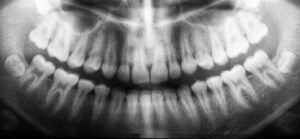
In practice, one of the biggest misconceptions is that pain is the only sign something is wrong. Many problematic wisdom teeth stay quiet for a while. They can damage neighboring teeth or foster infection before a patient feels much of anything. That is why routine evaluation matters. A patient may think, “It doesn’t hurt, so I’m fine,” while the X-rays tell a different story.
Another point worth making is that age affects difficulty. Removing wisdom teeth at 17 or 19 is often more straightforward than removing them at 35 or 45. Bone density changes, roots become more developed, and healing can be slower in some adults. That does not mean adults should panic, only that timing can influence the overall experience.
The biggest change starts before the procedure
For many patients, the most important advances happen before anyone picks up a surgical instrument. Older approaches relied heavily on standard two-dimensional films and a general sense of tooth position. Those tools still have value, but modern practices often use three-dimensional cone beam imaging when a case calls for it. That extra detail can make a major difference.
A 3D scan helps the provider see the exact relationship between the wisdom teeth, the jawbone, the sinuses in the upper jaw, and the nerve canal in the lower jaw. In lower wisdom tooth cases especially, understanding how close the roots sit to the inferior alveolar nerve can change the treatment plan. Sometimes it confirms a routine extraction. Sometimes it signals that a more careful surgical approach is needed. In certain edge cases, it may even affect the recommendation about timing or referral.
That level of visibility reduces guesswork. It also improves patient conversations. Instead of vague explanations, a surgeon can show a patient exactly why a tooth is likely to become a problem, or why a particular technique is the safer choice. Patients tend to feel less anxious when they can see what is happening and understand the reasoning.
For people searching for Wisdom Teeth Removal Oxnard CA, this is one of the practical things to ask about. Not every case needs advanced imaging, but when a tooth sits awkwardly or close to important anatomy, better diagnostics can directly improve safety and predictability.
Precision matters more than speed
There is an old idea that a good wisdom tooth extraction is simply a fast one. Experienced surgeons do often work efficiently, but precision matters more than raw speed. Modern techniques have improved because they are designed to minimize unnecessary trauma.
When a tooth is impacted, the surgeon may create a smaller, carefully planned opening in the gum, remove a limited amount of bone if needed, and section the tooth into pieces rather than trying to force it out in one motion. That approach may sound more involved, but it is often gentler on the surrounding tissues. Less pressure on the jaw, less strain on neighboring teeth, and cleaner access usually translate into a smoother recovery.
Patients notice the difference afterward. They may still have swelling, stiffness, and soreness, especially in the first two to three days, but the procedure itself tends to be more controlled than many people imagine. The goal is not drama. The goal is to remove the tooth with the least disruption necessary.
Modern surgical handpieces and instrumentation also contribute. Better tools can allow more refined bone removal and tooth sectioning. That can shorten the amount of force required, which is one reason many patients describe current wisdom tooth surgery as easier than the horror stories they heard from older relatives.
Sedation and anesthesia are more tailored than they used to be
Fear keeps many people from scheduling wisdom teeth removal. For some, it is fear of pain. For others, it is fear of being aware during the procedure, hearing the sounds, or feeling out of control. Modern anesthesia and sedation options address those concerns more effectively than in the past because care is increasingly individualized.
A straightforward case may be done comfortably with local anesthetic alone, especially if the patient is calm and the teeth are fully erupted. Many impacted cases are handled with local anesthesia plus nitrous oxide or a form of oral or IV sedation, depending on the office, the surgeon, and the patient’s medical needs. The right choice depends on several variables: the complexity of the extraction, the patient’s anxiety level, health history, age, and whether all four wisdom teeth are being removed at once.
The key improvement is not simply “stronger sedation.” It is better matching of sedation to the person in the chair. A healthy, anxious 18-year-old having four impacted teeth removed may benefit from a different plan than a 42-year-old with mild sleep apnea taking blood pressure medication. Safer modern care comes from that kind of judgment.
Good preoperative screening is part of the progress. Providers now place more emphasis on reviewing medications, supplements, allergies, airway concerns, previous reactions to anesthesia, and medical conditions that may affect healing or sedation. That attention may feel routine, but it prevents complications and helps set realistic expectations.
Smaller details now shape a better recovery
Patients often judge the procedure by what happens after they get home. That is where modern post-op care has improved significantly. Recovery is not only about removing the tooth. It is about managing inflammation, protecting the blood clot, controlling discomfort, and helping the patient return to normal life without unnecessary delays.
Years ago, some patients were sent home with very broad instructions and a one-size-fits-all pain plan. Today, better practices tend to be more specific. Patients are usually told what degree of swelling to expect, when discomfort peaks, what foods are realistic, and when to worry. That clarity matters because uncertainty drives a lot of post-op anxiety.
Pain management has also evolved. Many clinicians now rely heavily on well-planned combinations of non-opioid medications when appropriate, rather than defaulting to stronger prescriptions for everyone. For many healthy patients, that approach works quite well. It reduces side effects like nausea, grogginess, and constipation, which can make recovery feel worse than the surgery itself.
Swelling control is another area where practical advice has improved. Simple measures like cold therapy in the first day, hydration, rest, and timely transition to soft foods can make a visible difference. Patients who understand the rhythm of recovery tend to do better because they are not fighting the process.
What patients often notice most
People usually focus on the surgery, but in my experience, what they remember is whether the whole process felt organized and manageable. A modern wisdom tooth experience tends to stand out in a few specific ways:
- The diagnosis is clearer, often with imaging that shows exactly what is going on.
- The procedure feels more controlled, with less pulling and fewer surprises.
- Sedation options are discussed in a way that fits the patient rather than following a script.
- Recovery instructions are more detailed and easier to follow.
- Follow-up communication is usually better, especially when questions come up after hours.
Those may seem like small operational details, yet they shape the patient experience as much as the surgery itself.
The role of digital planning in complex cases
Not every wisdom tooth is difficult, but some are genuinely challenging. Lower third molars can sit close to the nerve. Upper wisdom teeth can be near the sinus. Roots may curve in awkward directions. Occasionally, a tooth lies almost sideways and presses against the second molar. These are the cases where modern digital planning earns its keep.
Three-dimensional evaluation can help a surgeon decide whether a standard extraction is appropriate or whether a modified technique offers a better risk profile. In select situations, a provider may discuss alternatives or staged thinking instead of treating every tooth exactly the same way. That kind of case selection reflects maturity in the field. Better care is not always about doing more. Sometimes it is about doing less, but doing it with more intention.
This is especially relevant for adult patients who delayed care. I have seen cases where a wisdom tooth looked routine on a panoramic X-ray, yet 3D imaging showed much closer nerve proximity than expected. That extra information changed the conversation from casual scheduling to a more careful risk-benefit discussion. Patients appreciate honesty when a case is not simple.
Earlier intervention often means easier treatment
There is no rule that every teenager should automatically have wisdom teeth removed. Some develop normally and can be monitored. Still, one of the practical lessons from modern oral surgery is that earlier evaluation often leads to easier choices.
When the roots are not fully formed and the surrounding bone is a bit more forgiving, extraction can be less traumatic. Swelling may still occur, and no surgeon should promise a carefree recovery, but younger patients often bounce back quickly. On the other hand, waiting until repeated infections start, or until the second molar shows damage, can turn a preventive conversation into a more urgent one.
Parents in Oxnard often ask when their child should be evaluated. A late-teen assessment is common and reasonable. The point is not to rush into surgery. The point is to avoid being surprised later.
Recovery is smoother when expectations are realistic
Modern technique improves outcomes, but good recovery still depends on patient behavior. Dry socket, delayed healing, and unnecessary pain often trace back to very ordinary missteps: smoking too soon, using straws, skipping medications, pushing into hard foods on day one, or returning to strenuous activity too early.
A practical recovery plan usually works better than bravado. Most patients do well when they keep the first few days simple and avoid the temptation to test the surgical sites.
- Use cold packs during the first day in short intervals if your provider recommends them.
- Stick with soft foods and fluids, but avoid straws unless your surgeon says otherwise.
- Take medications exactly as directed, ideally before numbness fully wears off.
- Keep activity light at first, even if you feel better sooner than expected.
- Call the office if pain sharply worsens after initial improvement, or if swelling keeps increasing after several days.
That last point deserves emphasis. Normal soreness and swelling do not mean something is wrong. A sudden turn for the worse can.
Technology helps, but experience still decides the outcome
One risk in any healthcare conversation is giving technology too much credit. Scanners, digital records, and improved instruments matter, but they do not replace judgment. An experienced surgeon knows when a tooth that looks easy on film may still require a cautious approach. They know how to adapt when roots fracture, when access is tighter than expected, or when a very anxious patient needs more support than the schedule originally allowed.
Good wisdom teeth care is a mix of planning, technical skill, anesthesia management, and communication. The patient usually sees only the final result, but a lot of professional judgment happens behind the scenes. That is why consultation quality matters. A solid consult should cover risks in plain language, explain why treatment is recommended now rather than later, and outline what recovery will probably look like for that specific patient.
For anyone comparing providers for Wisdom Teeth Removal Oxnard CA, that conversation is often more revealing than marketing claims. Ask how the office evaluates impacted teeth. Ask what sedation options are available. Ask what the first three days of recovery generally look like. Ask how they handle after-hours concerns. The answers will tell you a great deal.
Cases that deserve extra caution
Most wisdom tooth removals are routine in the broad sense, but there are situations where extra planning matters. Adults with diabetes, immune suppression, clotting disorders, or complex medication histories need careful review. Patients taking bisphosphonates, blood thinners, or certain autoimmune therapies may need coordinated guidance. People with severe dental anxiety, a strong gag reflex, or a history of difficult numbing also benefit from a more customized approach.
Then there are anatomy-driven concerns. Deeply impacted lower wisdom teeth, teeth close to the sinus, and cases involving active infection require a measured hand. These are not reasons to avoid treatment. They are reasons to choose a provider who approaches risk honestly and plans accordingly.
In coastal communities like Oxnard, where people often balance treatment around travel, work shifts, and family obligations, logistics also matter more than they seem. A patient who schedules surgery two days before a physically demanding job, or the day before a flight, is setting themselves up for avoidable stress. Modern care includes practical timing advice because recovery does not happen in a vacuum.
Why the patient experience is less intimidating now
It is striking how many patients arrive with stories from parents, older siblings, or friends whose wisdom tooth surgeries happened years ago. They expect to wake up miserable, swollen for a week, unable to function. Some still have that kind of recovery, especially after difficult extractions, but many do not. Better planning and more refined surgical methods have moved the average experience in a better direction.
The fear often eases once patients understand the sequence. They come in having already reviewed their health history. Imaging has mapped the anatomy. Sedation has been chosen thoughtfully. The surgery is done with controlled technique rather than force. They leave with clear instructions, realistic expectations, and a contact path if something feels off. None of that makes oral surgery fun, but it makes it manageable.
That is really the story of modern wisdom teeth care. It is not that dentistry found a magic trick. It is that clinicians have become more precise in diagnosing, more conservative in tissue handling, more thoughtful in pain control, and more intentional in post-op support. For patients needing Wisdom Teeth Removal Oxnard CA, those changes can mean less uncertainty, fewer surprises, and a smoother path from consultation to recovery.
When wisdom teeth need to come out, modern techniques do not erase every inconvenience. They do something more useful. They reduce the avoidable ones.
Oxnard Dentistry
1730 E Gonzales Rd
Oxnard, CA 93036, United States
Phone: +1 805-307-8731
FAQ About Wisdom Teeth Removal Oxnard CA
How much does it cost to get wisdom teeth removed in California?
Fees depend on tooth position, the number of extractions, imaging and anesthesia. Oxnard Dentistry can provide an individual estimate after examining your teeth. Ask for an itemized plan and confirm insurance benefits before scheduling.
Will insurance cover wisdom teeth removal?
Coverage and out-of-pocket costs vary by policy and the treatment required. Ask the dental office and your insurer to verify benefits, annual limits and any authorization requirements. A benefit estimate does not guarantee payment.
Is 30 too old to have wisdom teeth removed?
Age alone does not determine whether extraction is appropriate. A dentist evaluates symptoms, tooth position, oral health and medical history. Healthy, functional wisdom teeth may be monitored; teeth causing disease or other problems may need treatment.